
Erectile dysfunction (ED), or the inability to maintain an erection long enough for satisfactory sexual activity, is a prevalent condition that affects millions of men worldwide. ED can cause emotional distress and negatively impact one’s overall quality of life.
Understanding the underlying causes of ED is critical for effectively preventing and managing this sexual health condition. The following are various factors that can contribute to ED, including physiological, psychological, lifestyle, and medication aspects.
Physiological Causes
- Cardiovascular Issues: One of the leading physiological causes of ED is cardiovascular disease. Conditions such as atherosclerosis, which restricts blood flow, can impede the adequate circulation needed for a robust erection. Research suggests a strong correlation between ED and heart disease, emphasizing the importance of cardiovascular health in preventing erectile dysfunction.
- Neurological Disorders: Neurological conditions, such as multiple sclerosis and Parkinson’s disease, can interfere with the communication between the brain and the reproductive system, leading to difficulties in achieving or maintaining an erection. Nerve damage from surgeries or injuries may also contribute to ED.
- Hormonal Imbalances: Hormones play a vital role in male sexual function. Imbalances, particularly in testosterone levels, can contribute to erectile dysfunction. Conditions like hypogonadism, where the body produces insufficient testosterone, may result in sexual dysfunction and require medical intervention.
Psychological Causes
- Stress and Anxiety: Psychological factors often play a significant role in erectile dysfunction. Stress, anxiety, and performance-related pressure can create a psychological barrier, hindering the natural process of arousal. Chronic stress activates the body’s “fight or flight” response, diverting resources away from sexual function.
- Depression: Depression is closely linked to ED, often creating a cyclical relationship where one condition exacerbates the other. The neurotransmitters involved in mood regulation also influence sexual function, making individuals with depression more susceptible to erectile difficulties.
- Relationship Issues: Relationship problems and communication breakdowns can contribute to ED. A lack of emotional intimacy, unresolved conflicts, or a strained relationship can negatively impact sexual performance. Couples therapy and open communication are crucial in addressing these issues.
Lifestyle Factors
- Smoking and Substance Abuse: Lifestyle choices can significantly impact sexual health. Smoking and substance abuse, particularly excessive alcohol consumption and illicit drug use, have been linked to erectile dysfunction. These substances can damage blood vessels and disrupt hormonal balance, contributing to sexual dysfunction.
- Obesity and Sedentary Lifestyle: Obesity is associated with various health issues, including diabetes and cardiovascular disease, which are known contributors to ED. A sedentary lifestyle further compounds these risks. Regular exercise and maintaining a healthy weight are essential for preventing and managing erectile dysfunction.
Medication-Induced Causes
- Antihypertensives: Medications used to treat high blood pressure, known as antihypertensives, may have side effects that contribute to ED. These drugs can affect blood flow by relaxing or constricting blood vessels. Beta-blockers and diuretics are examples of antihypertensives that may impact sexual function.
- Antidepressants: Some antidepressant medications, particularly selective serotonin reuptake inhibitors (SSRIs), have been linked to sexual dysfunction, including ED. These drugs can alter neurotransmitter levels in the brain, affecting sexual arousal and performance.
- 5-Alpha Reductase Inhibitors: Medications such as finasteride and dutasteride, which are commonly prescribed for the treatment of benign prostatic hyperplasia (BPH) and male pattern baldness, belong to the class of 5-alpha reductase inhibitors. These drugs can interfere with the conversion of testosterone to its active form, potentially leading to sexual side effects, including ED.
Erectile dysfunction is a complex condition influenced by a myriad of factors, both physiological and psychological. Recognizing these causes is the first step toward effective prevention and treatment. Lifestyle modifications, addressing underlying health conditions, and seeking psychological support when needed can significantly improve outcomes for individuals experiencing ED.
For more information on this topic, please read these publications from the Sexual Medicine Reviews:
Erectile Dysfunction in Young Men—A Review of the Prevalence and Risk Factors
Aging and Erectile Dysfunction
References:
Araujo, A. B., Johannes, C. B., Feldman, H. A., Derby, C. A., & McKinlay, J. B. (2000). Relation between psychosocial risk factors and incident erectile dysfunction: prospective results from the Massachusetts Male Aging Study. American journal of epidemiology, 152(6), 533–541. https://doi.org/10.1093/aje/152.6.533
Blute, M., Hakimian, P., Kashanian, J., Shteynshluyger, A., Lee, M., & Shabsigh, R. (2009). Erectile dysfunction and testosterone deficiency. Frontiers of hormone research, 37, 108–122. https://doi.org/10.1159/000176048
Jacobs, T., Geysemans, B., Van Hal, G., Glazemakers, I., Fog-Poulsen, K., Vermandel, A., De Wachter, S., & De Win, G. (2021). Associations Between Online Pornography Consumption and Sexual Dysfunction in Young Men: Multivariate Analysis Based on an International Web-Based Survey. JMIR public health and surveillance, 7(10), e32542. https://doi.org/10.2196/32542
Kizilay, F., Gali, H. E., & Serefoglu, E. C. (2017). Diabetes and Sexuality. Sexual medicine reviews, 5(1), 45–51. https://doi.org/10.1016/j.sxmr.2016.07.002
Selvin, E., Burnett, A. L., & Platz, E. A. (2007). Prevalence and risk factors for erectile dysfunction in the US. The American journal of medicine, 120(2), 151–157. https://doi.org/10.1016/j.amjmed.2006.06.010
Xiao, Y., Xie, T., Peng, J., Zhou, X., Long, J., Yang, M., Zhu, H., & Yang, J. (2023). Factors associated with anxiety and depression in patients with erectile dysfunction: a cross-sectional study. BMC psychology, 11(1), 36. https://doi.org/10.1186/s40359-023-01074-w
You may also be interested in...
Did You Know?
What Is the Average Penis Size?
June 1, 2021SMSNA Patients
Sex and Multiple Sclerosis: Barriers Between Patients and Providers
May 18, 2021Did You Know?
A Non-Medicated Gel to Treat Erectile Dysfunction: Snake Oil or the Real Deal?
May 25, 2021SMSNA Patients
New Survey Finds Most Adolescents Who Have Labia Minora Surgery Are Satisfied
May 4, 2021Did You Know?
Outercourse
March 23, 2021Did You Know?
Alcohol and Temporary Erectile Dysfunction
February 2, 2021Did You Know?
Q&A on “Blue Ball” Syndrome
January 20, 2021SMSNA Patients
Benefits of Sexual Activity During COVID-19 Lockdown
February 9, 2021Other Popular Articles
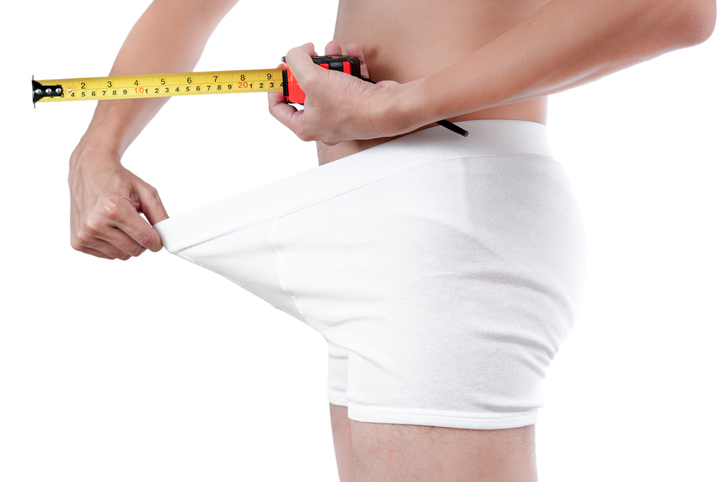
What Is the Average Penis Size?
If you have ever wondered how your penis compares to others in terms of size, you are not alone. Many men are curious to know how their penises stack up compared to the average. Unfortunately, general curiosity can sometimes give way to full-on obsession and anxiety about penis size. This can be an unhealthy and often unnecessary fixation, especially because most men who think their penises are too small have perfectly normal-sized penises.

Can Sex Reduce Menstrual Cramps?
The SMSNA periodically receives and publishes ‘guest editorials.’ The current article was submitted by Mia Barnes, a freelance writer and researcher who specializes in women's health, wellness, and healthy living. She is the Founder and Editor-in-Chief of Body+Mind Magazine.
Having sex while you experience menstrual cramps is healthy and can provide significant benefits. While it might not be the first activity that comes to mind when your PMS or period cramping begins, many people enjoy sex to reduce menstrual cramps, experience increased pleasure and benefit from other advantages. Learn more about having sex while menstrual cramps are happening and how it can help your body.
What Is Sensate Focus and How Does It Work?
Sensate focus is a technique used to improve intimacy and communication between partners around sex, reduce sexual performance anxiety, and shift away from ingrained, goal-oriented sexual patterns that may not be serving a couple.
What Is Jelqing, and Does It Actually Work?
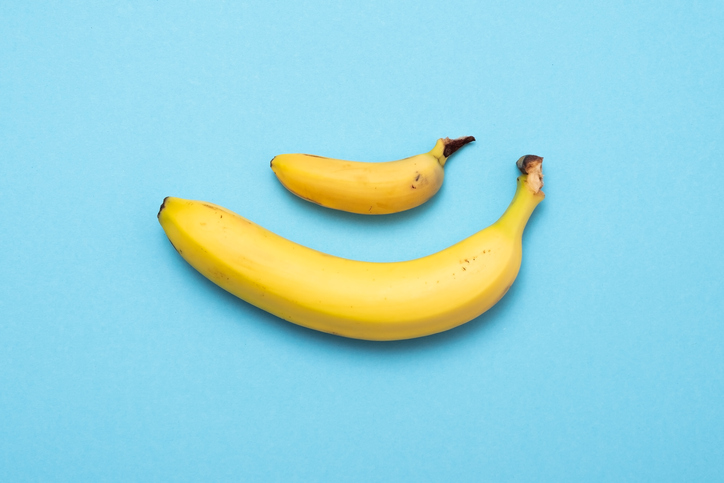
The term “jelqing” refers to a set of penis stretching exercises that some believe can make the penis bigger. Although the practice has gained attention and popularity in blogs and internet forums in recent years, there is no scientific evidence that it is an effective way to permanently increase the size of one’s penis. In fact, in some cases, jelqing may actually cause damage to the penis, so it is a good idea to get all the facts before setting off to try it.

How Long Does It Take the Average Man to Ejaculate?
On average, it takes a man between 5 to 7 minutes to orgasm and ejaculate during sexual intercourse.
Can Sex Throw off Your Vaginal pH Balance?
The SMSNA periodically receives and publishes ‘guest editorials.’ The current article was submitted by Mia Barnes, a freelance writer and researcher who specializes in women's health, wellness, and healthy living. She is the Founder and Editor-in-Chief of Body+Mind Magazine.
Your vagina is a pretty powerful organ. It is a pathway for menstrual blood and babies. It also is a main player in sexual intercourse. You might hear about your vagina’s pH and worry that yours is at risk. Here’s what to know about vaginal pH, including the impacts sex could have.
Attention: Restrictions on use of SMSNA content in third party applications, including artificial intelligence technologies, such as large language models and generative AI.
You are prohibited from using or uploading content you accessed through this website into external applications, bots, software, or websites, including those using artificial intelligence technologies and infrastructure, including deep learning, machine learning and large language models and generative AI.