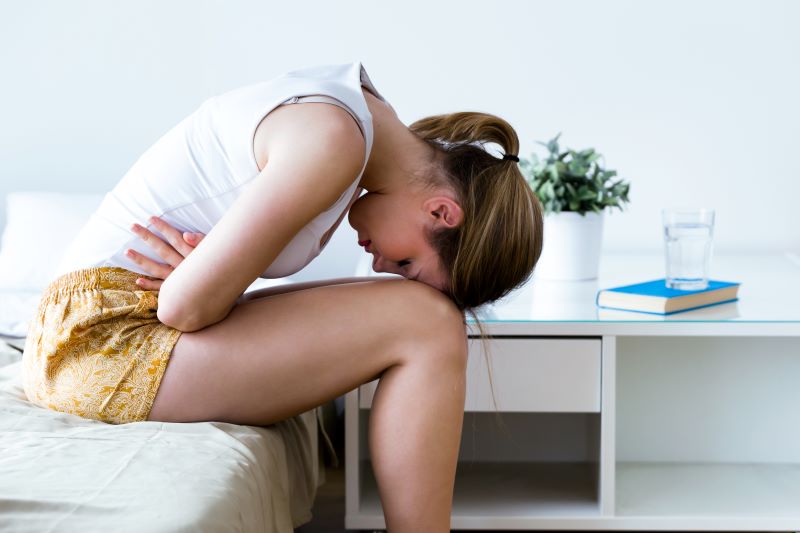
Vulvodynia is a condition characterized by chronic pain or discomfort in the vulva, the external genital area of women, with no clear identifiable cause. This condition can significantly impact a person’s quality of life, negatively affecting their physical comfort, emotional wellness, and sexual satisfaction. While vulvodynia is relatively common, it remains poorly understood, often leading to misconceptions and challenges in diagnosis and treatment.
Symptoms:
The symptoms of vulvodynia can vary among individuals but typically include:
- Burning or stinging pain: This pain may be constant or intermittent, and it can range from mild to severe.
- Rawness or soreness: Some individuals may experience feelings of irritation or rawness in the vulvar area.
- Itching or throbbing: Itchiness or a throbbing sensation may also accompany the pain.
- Pain during sexual intercourse (dyspareunia): Many women with vulvodynia experience pain during or after sexual activity, which can negatively impact their intimate relationships.
- Pain with activities like sitting or exercising: Activities that put pressure on the vulvar area may exacerbate the pain.
Types of Vulvodynia:
- Generalized vulvodynia: This type involves pain that occurs in various areas of the vulva and may be present constantly or intermittently.
- Localized vulvodynia: This involves pain that is localized to a part of the vulva, such as the vestibule, the vaginal opening (a condition known as vestibulodynia), or the clitoris (clitorodynia). Pain with pressure or touch, such as during sexual activity or tampon insertion, is a hallmark of this type of vulvodynia, rendering it “provoked” vulvodynia. When pain occurs without pressure or touch, it is known as “spontaneous” vulvodynia.
Causes and Risk Factors:
The exact cause of vulvodynia is unknown, and it likely involves a combination of factors, including:
- Nerve issues or injury: Some researchers believe that abnormalities in the nerves of the vulvar region may contribute to the development of vulvodynia.
- Hormonal influences: Fluctuations in hormone levels, particularly estrogen, may play a role in vulvodynia. Experts believe that the use of hormonal contraceptives may contribute to vulvodynia in some cases, though more research is needed to understand this potential relationship fully.
- Genetic predisposition: There may be a genetic component to vulvodynia, as it often occurs in women with a family history of chronic pain conditions.
- History of vaginal infections or trauma: Previous infections, injuries, or surgeries involving the vulvar area may increase the risk of developing vulvodynia.
Diagnosis and Treatment:
Diagnosing vulvodynia can be challenging due to its complex nature and varied presentation. Healthcare professionals typically perform a thorough medical history and physical examination, including a pelvic exam, to rule out other potential causes of symptoms.
Treatment for vulvodynia focuses on symptom management and may include:
- Topical medications: Prescription creams or ointments containing local anesthetics, steroids, or nerve-modulating agents can help alleviate pain and discomfort.
- Oral medications: Antidepressants, anticonvulsants, and muscle relaxants may be prescribed to help manage pain and improve symptoms.
- Pelvic floor physical therapy: Working with a specialized physical therapist can help relax and strengthen the pelvic floor muscles, reducing tension and pain in the vulvar area.
- Lifestyle modifications: Avoiding irritants such as harsh soaps, tight clothing, and certain types of exercise may help reduce discomfort. Using lubricants during sexual activity can also help minimize pain.
- Psychotherapy: Counseling or cognitive-behavioral therapy (CBT) may be beneficial for addressing the emotional and psychological aspects of living with chronic pain.
In some cases, a multidisciplinary approach involving various healthcare professionals, such as gynecologists, pain specialists, and mental health professionals, may be necessary to develop an effective treatment plan tailored to the individual’s needs.
For more information on this topic, please read these publications from the ISSM Journals: The Journal of Sexual Medicine, Sexual Medicine Reviews, and Sexual Medicine Open Access:
Not all lasers are the same: a scoping review evaluating laser therapy for vulvodynia
References:
American College of Obstetricians and Gynecologists. (2017). Vulvodynia. https://www.acog.org/womens-health/faqs/vulvodynia
Harlow, B. L., & Stewart, E. G. (2003). A Population-Based Assessment of Chronic Unexplained Vulvar Pain: Have We Underestimated the Prevalence of Vulvodynia? Journal of the American Medical Women's Association (1972), 58(2), 82–88.
Reed, B. D., Harlow, S. D., Sen, A., Edwards, R. M., Chen, D., & Haefner, H. K. (2012). Relationship between vulvodynia and chronic comorbid pain conditions. Obstetrics and gynecology, 120(1), 145–151. https://doi.org/10.1097/AOG.0b013e31825957cf
You may also be interested in...
Did You Know?
The Sex-Positivity Movement: What it Means to Be Sex-Positive
July 20, 2021Did You Know?
Why Does Sex Hurt?: A Guide for Figuring Out What Might Be Causing Painful Sex
June 22, 2021SMSNA Patients
Sex and Multiple Sclerosis: Barriers Between Patients and Providers
May 18, 2021Blog
The Gynogram: Paving the Way for Better Postmenopausal Sex?
July 6, 2021SMSNA Patients
New Survey Finds Most Adolescents Who Have Labia Minora Surgery Are Satisfied
May 4, 2021Did You Know?
Outercourse
March 23, 2021SMSNA Patients
Benefits of Sexual Activity During COVID-19 Lockdown
February 9, 2021Blog
A Versatile Sex Life May Increase Sexual Satisfaction for Women With Endometriosis
January 25, 2021SMSNA
Guide for Taking a Sexual Health History
July 15, 2021Other Popular Articles
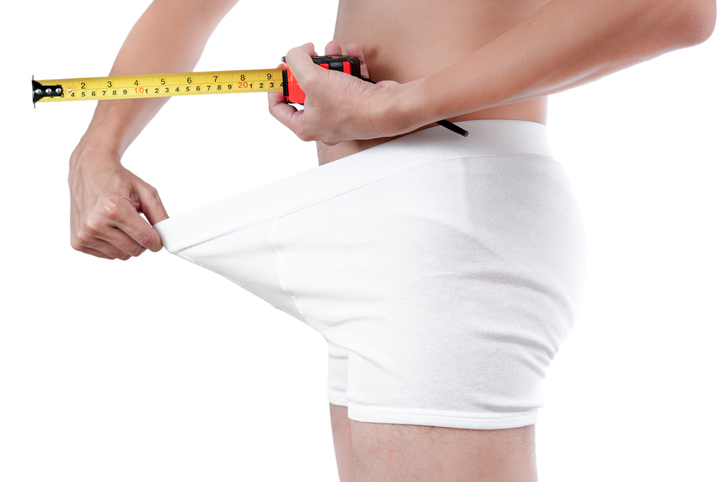
What Is the Average Penis Size?
If you have ever wondered how your penis compares to others in terms of size, you are not alone. Many men are curious to know how their penises stack up compared to the average. Unfortunately, general curiosity can sometimes give way to full-on obsession and anxiety about penis size. This can be an unhealthy and often unnecessary fixation, especially because most men who think their penises are too small have perfectly normal-sized penises.
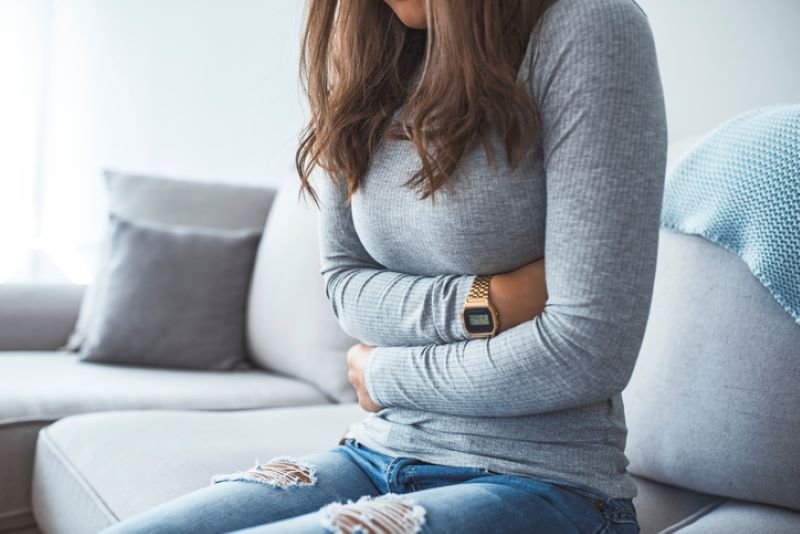
Can Sex Reduce Menstrual Cramps?
The SMSNA periodically receives and publishes ‘guest editorials.’ The current article was submitted by Mia Barnes, a freelance writer and researcher who specializes in women's health, wellness, and healthy living. She is the Founder and Editor-in-Chief of Body+Mind Magazine.
Having sex while you experience menstrual cramps is healthy and can provide significant benefits. While it might not be the first activity that comes to mind when your PMS or period cramping begins, many people enjoy sex to reduce menstrual cramps, experience increased pleasure and benefit from other advantages. Learn more about having sex while menstrual cramps are happening and how it can help your body.
What Is Sensate Focus and How Does It Work?
Sensate focus is a technique used to improve intimacy and communication between partners around sex, reduce sexual performance anxiety, and shift away from ingrained, goal-oriented sexual patterns that may not be serving a couple.

What Is Jelqing, and Does It Actually Work?
The term “jelqing” refers to a set of penis stretching exercises that some believe can make the penis bigger. Although the practice has gained attention and popularity in blogs and internet forums in recent years, there is no scientific evidence that it is an effective way to permanently increase the size of one’s penis. In fact, in some cases, jelqing may actually cause damage to the penis, so it is a good idea to get all the facts before setting off to try it.

How Long Does It Take the Average Man to Ejaculate?
On average, it takes a man between 5 to 7 minutes to orgasm and ejaculate during sexual intercourse.
Can Sex Throw off Your Vaginal pH Balance?
The SMSNA periodically receives and publishes ‘guest editorials.’ The current article was submitted by Mia Barnes, a freelance writer and researcher who specializes in women's health, wellness, and healthy living. She is the Founder and Editor-in-Chief of Body+Mind Magazine.
Your vagina is a pretty powerful organ. It is a pathway for menstrual blood and babies. It also is a main player in sexual intercourse. You might hear about your vagina’s pH and worry that yours is at risk. Here’s what to know about vaginal pH, including the impacts sex could have.
Attention: Restrictions on use of SMSNA content in third party applications, including artificial intelligence technologies, such as large language models and generative AI.
You are prohibited from using or uploading content you accessed through this website into external applications, bots, software, or websites, including those using artificial intelligence technologies and infrastructure, including deep learning, machine learning and large language models and generative AI.