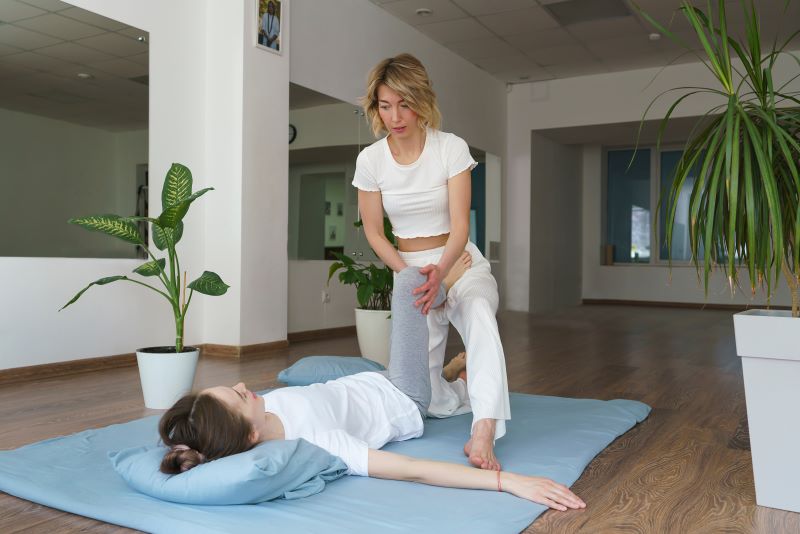
Pelvic floor exercises, also known as Kegel exercises, are designed to strengthen the muscles that support the bladder, uterus, rectum, and other pelvic organs. These exercises are often associated with improving bladder control, but they also have a significant impact on sexual health for both men and women. By improving muscle tone in the pelvic region, pelvic floor exercises can lead to enhanced sexual function, improved orgasms, and greater sexual satisfaction.
Understanding the Pelvic Floor Muscles
The pelvic floor muscles form a supportive sling at the base of the pelvis. They are responsible for controlling urination, supporting the bowels, and maintaining vaginal and rectal tightness. These muscles also play a key role in sexual activity because they contract during orgasm and support sexual organs. Over time, factors such as aging, childbirth, and physical inactivity can weaken these muscles, leading to problems like incontinence and reduced sexual satisfaction. Fortunately, pelvic floor exercises can help reverse these effects.
Benefits of Pelvic Floor Exercises for Women
For women, pelvic floor exercises offer a variety of benefits, including:
- Increased Sensation and Orgasmic Potential: Strengthening the pelvic floor muscles can lead to increased blood flow to the vaginal region, heightening sensitivity and sensation. This can enhance sexual arousal and make it easier to achieve orgasm. Strong pelvic muscles also contract more powerfully during orgasm, intensifying the experience.
- Improved Vaginal Tightness: Over time, the muscles around the vagina may lose tone due to childbirth, menopause, or simply aging. Kegel exercises help restore this muscle tone, which can lead to increased friction during intercourse, potentially enhancing pleasure for both partners.
- Better Bladder Control: Many women experience urinary incontinence after childbirth or as they age. By strengthening the pelvic floor muscles, women can reduce the likelihood of leakage during physical activity or sexual intercourse, which may make some women feel more confident during sex.
- Postpartum Recovery: After childbirth, the pelvic muscles can become weakened and stretched. Pelvic floor exercises can help speed up recovery, restoring muscle tone and improving sexual function.
Benefits of Pelvic Floor Exercises for Men
Men can also benefit from pelvic floor exercises in several ways:
- Improved Erectile Function: The pelvic floor muscles support the penis and play a key role in achieving and maintaining an erection. Studies have shown that pelvic floor exercises can help improve erectile dysfunction by increasing blood flow to the penis and enhancing the strength of erections.
- Enhanced Ejaculation Control: Stronger pelvic floor muscles can help men gain more control over ejaculation. This can be especially beneficial for men dealing with premature ejaculation, as stronger muscles can help them delay ejaculation and prolong sexual activity.
- Better Orgasmic Control and Sensation: Just as with women, pelvic floor exercises can improve the intensity of orgasms for men. Stronger pelvic muscles contract more powerfully during orgasm, potentially leading to more satisfying sexual experiences.
- Reduced Sexual Pain: Pelvic floor exercises can help men reduce sexual pain, especially for those with Chronic Prostatitis/Chronic Pelvic Pain Syndrome (CP/CPPS), which causes pain in the pelvis, genitals, and lower abdomen, particularly during and after ejaculation. Strengthening and relaxing the pelvic floor muscles eases muscle tension and spasms, improving blood flow and muscle control. This helps alleviate discomfort and contributes to more satisfying sexual experiences by reducing pain and tension.
How to Perform Pelvic Floor Exercises
Pelvic floor exercises are simple and can be done almost anywhere without anyone knowing. To identify the right muscles, try stopping the flow of urine mid-stream. The muscles you use to do this are your pelvic floor muscles. Once you’ve identified them, you can do pelvic floor exercises by following these steps:
- Contract the pelvic floor muscles for about five seconds.
- Relax the muscles for five seconds.
- Repeat this cycle 10 to 15 times.
- Perform three sets of these exercises per day.
It is important not to hold your breath or use other muscles, such as your abdomen or thighs, while doing Kegels. For best results, consistency is key, and improvements in sexual function may be noticeable after a few weeks of regular practice. Additionally, pelvic floor physical therapists can help guide the process if self-directed exercises are not enough.
Conclusion
Pelvic floor exercises are a simple yet powerful tool for enhancing sexual health in both men and women. By strengthening the muscles that play a crucial role in sexual function, these exercises can lead to better orgasms, improved bladder control, and increased sexual satisfaction. The benefits of pelvic floor exercises extend beyond sexual health, potentially improving one’s urinary continence and other areas of life.
For more information on this topic, please read these publications from the ISSM Journals: The Journal of Sexual Medicine, Sexual Medicine Reviews, and Sexual Medicine Open Access:
References:
Cohen, D., Gonzalez, J., & Goldstein, I. (2016). The role of pelvic floor muscles in male sexual dysfunction and pelvic pain. Sexual Medicine Reviews, 4(1), 53–62. https://doi.org/10.1016/j.sxmr.2015.10.001
Dorey, G., Speakman, M., Feneley, R., Swinkels, A., Dunn, C., & Ewings, P. (2004). Randomised controlled trial of pelvic floor muscle exercises and manometric biofeedback for erectile dysfunction. The British journal of general practice: the journal of the Royal College of General Practitioners, 54(508), 819–825. https://pubmed.ncbi.nlm.nih.gov/15527607/
Sartori, D. V. B., Kawano, P. R., Yamamoto, H. A., Guerra, R., Pajolli, P. R., & Amaro, J. L. (2021). Pelvic floor muscle strength is correlated with sexual function. Investigative and clinical urology, 62(1), 79–84. https://doi.org/10.4111/icu.20190248
You may also be interested in...
Did You Know?
What is Endometriosis?
December 30, 2025SMSNA
The Connection Between HRT and Pelvic Floor Muscles in Treating Female Sexual Dysfunction
September 22, 2025SMSNA Patients
Diaphragmatic Breathing May Help with Premature Ejaculation Treatments
November 4, 2025SMSNA
Choosing the Right Options for Post-Pelvic Surgery Management and Rehabilitation
June 29, 2026Blog
Debunking the “Loose” vs. “Tight” Vagina Myth
July 4, 2024Other Popular Articles

What Is the Average Penis Size?
If you have ever wondered how your penis compares to others in terms of size, you are not alone. Many men are curious to know how their penises stack up compared to the average. Unfortunately, general curiosity can sometimes give way to full-on obsession and anxiety about penis size. This can be an unhealthy and often unnecessary fixation, especially because most men who think their penises are too small have perfectly normal-sized penises.

Can Sex Reduce Menstrual Cramps?
The SMSNA periodically receives and publishes ‘guest editorials.’ The current article was submitted by Mia Barnes, a freelance writer and researcher who specializes in women's health, wellness, and healthy living. She is the Founder and Editor-in-Chief of Body+Mind Magazine.
Having sex while you experience menstrual cramps is healthy and can provide significant benefits. While it might not be the first activity that comes to mind when your PMS or period cramping begins, many people enjoy sex to reduce menstrual cramps, experience increased pleasure and benefit from other advantages. Learn more about having sex while menstrual cramps are happening and how it can help your body.

What Is Sensate Focus and How Does It Work?
Sensate focus is a technique used to improve intimacy and communication between partners around sex, reduce sexual performance anxiety, and shift away from ingrained, goal-oriented sexual patterns that may not be serving a couple.

What Is Jelqing, and Does It Actually Work?
The term “jelqing” refers to a set of penis stretching exercises that some believe can make the penis bigger. Although the practice has gained attention and popularity in blogs and internet forums in recent years, there is no scientific evidence that it is an effective way to permanently increase the size of one’s penis. In fact, in some cases, jelqing may actually cause damage to the penis, so it is a good idea to get all the facts before setting off to try it.

How Long Does It Take the Average Man to Ejaculate?
On average, it takes a man between 5 to 7 minutes to orgasm and ejaculate during sexual intercourse.
Can Sex Throw off Your Vaginal pH Balance?
The SMSNA periodically receives and publishes ‘guest editorials.’ The current article was submitted by Mia Barnes, a freelance writer and researcher who specializes in women's health, wellness, and healthy living. She is the Founder and Editor-in-Chief of Body+Mind Magazine.
Your vagina is a pretty powerful organ. It is a pathway for menstrual blood and babies. It also is a main player in sexual intercourse. You might hear about your vagina’s pH and worry that yours is at risk. Here’s what to know about vaginal pH, including the impacts sex could have.
Attention: Restrictions on use of SMSNA content in third party applications, including artificial intelligence technologies, such as large language models and generative AI.
You are prohibited from using or uploading content you accessed through this website into external applications, bots, software, or websites, including those using artificial intelligence technologies and infrastructure, including deep learning, machine learning and large language models and generative AI.