All Stories

SMSNA 31st Scientific Program at AUA - Considering the Pros and Cons for Operating on Anticoagulated Patients

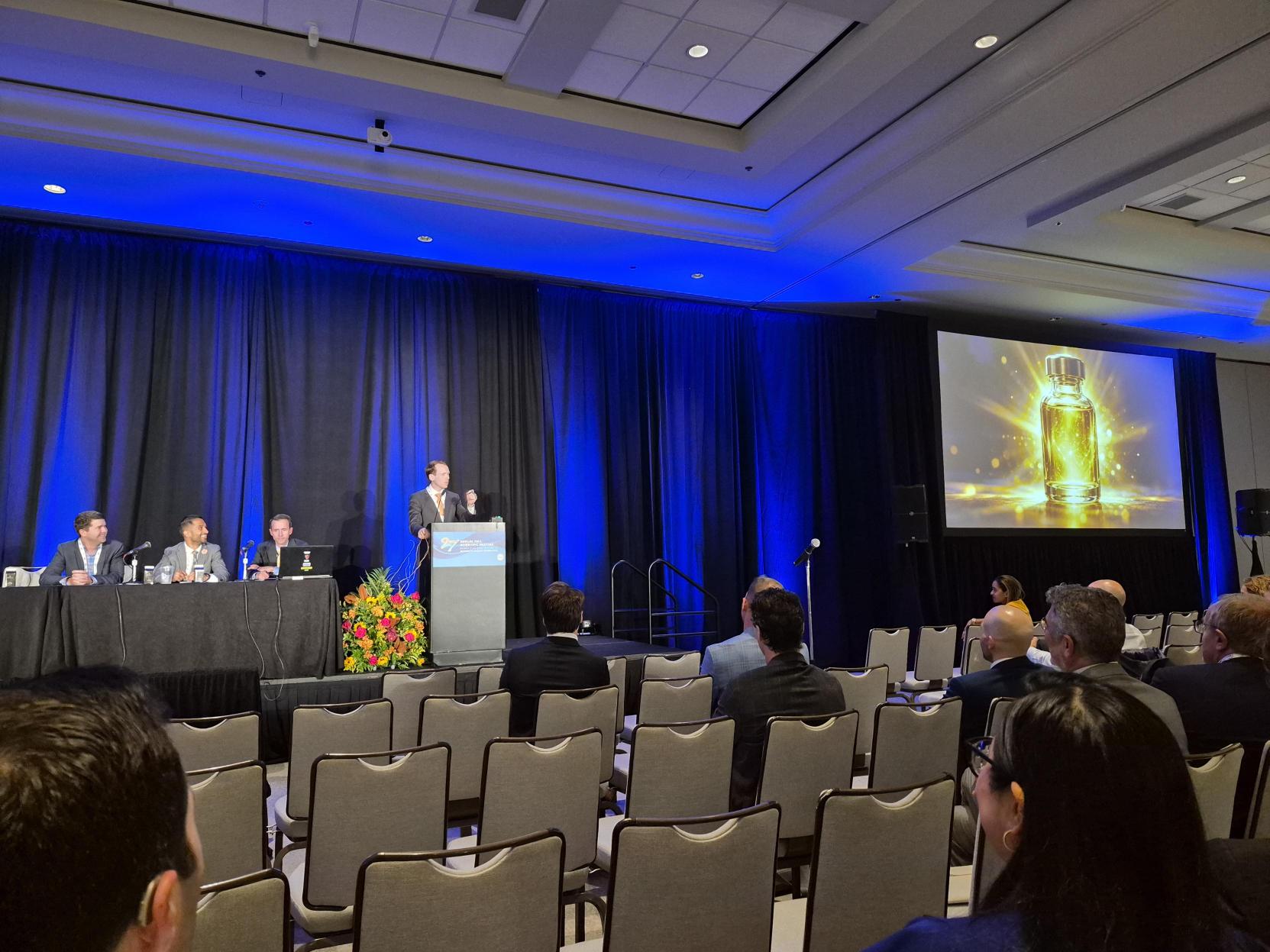
On Friday, May 15, during the SMSNA 31st Annual Scientific Program at AUA, a debate ensued involving Drs. Jeffrey Loh-Doyle and Niki Parikh, where they considered whether penile implants should be placed in anticoagulated patients.


Dr. Loh-Doyle, with the counterpoint of view, acknowledges that implants can still be placed in patients on anticoagulants with few adverse events, but states plainly that it should not be done. He says those who operate on anticoagulated patients are more aware of the potential adverse events that could happen, which may skew results. Dr. Loh-Doyle states the chance of a post-operative hematoma may be high, with one study suggesting anticoagulants should be restarted as soon as possible after penile surgery. Several other studies have instead proved this wrong, Dr. Loh-Doyle says. He states that a cardiologist appointment and diagnosis should take priority. He says penile implants are elective and should be treated as such if there is time for it.


Dr. Parikh, with the pro point of view, states there is a clear correlation between erectile dysfunction and cardiovascular disease. She says the risk of complications with stopping anticoagulants can be fatal. Several studies have looked into the potential negative effects of anticoagulants with inconclusive results. Dr. Parikh states that in her study, those with anti-coagulated systems and coagulated patients actually performed better than the control. She states part of what brought success was keeping the IPP partially inflated post-op and returning the patient to a high-volume physician.


Should anticoagulated patients be operated on?

SMSNA 31st Scientific Program at AUA - Considering the Pros and Cons for Operating on Anticoagulated Patients

SMSNA 31st Scientific Program at AUA - GLP-1s May Not Help Treat Sexual Desire

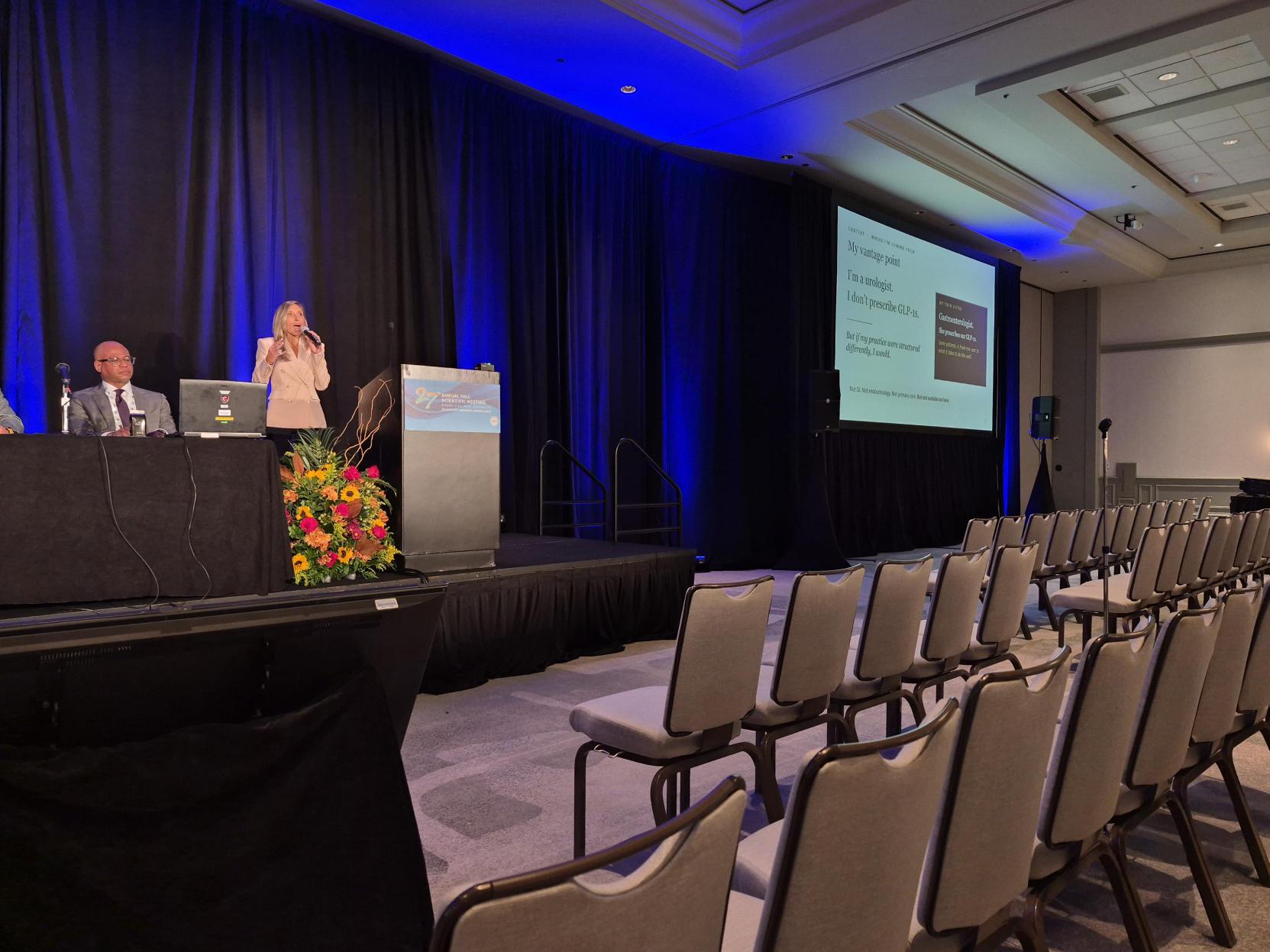
On Friday, May 15, during the SMSNA 31st Annual Scientific Program at AUA, Dr. Jessica Yih discussed alternative options for the treatment of low sexual desire in both men and women.

Dr. Yih stresses that low libido and hypoactive sexual desire disorder (HSDD) are extremely common. This can be related to testosterone; however, testosterone may not always be effective in treating these sexual dysfunctions.

Dr. Yih discussed the potential negative side to GLP-1 receptor agonists, as they may impair sexual function across multiple areas, especially low libido and orgasmic disorder. This is likely due to rapid weight loss and serotonergic effects of these medications. '

Scream creams and vaginal estrogen are useful but should be used carefully in treating non-libido-related sexual dysfunction first. Scream creams have inconsistent dosages and may be more difficult to come by.

Bremolanotide is historically used to treat women. However, more men are approaching their clinicians to ask about it. Unfortunately, the intranasal formulation was barred for use with men by the FDA; however, it could be helpful in creating sexual desire and arousal for men and women of all ages. Flinbanserin is approved for HSDD in premenopausal women, but with further investigation may be useful in the future.

Dr. Yih urges clinicians to consider patients' current medication when diagnosing and treating sexual dysfunction. Be aware of GLP-1 medications, be careful with scream creams and vaginal estrogen so as to target their non-libido-related sexual dysfunction, and start prescribing bremolanotide to all patients.
SMSNA 31st Scientific Program at AUA - GLP-1s May Not Help Treat Sexual Desire

SMSNA 31st Scientific Program at AUA - The Fringes of Hormone Therapy and Their Efficacy

On Friday, May 15, during the SMSNA 31st Annual Scientific Program at AUA, Dr. Carolyn Salter discussed lesser-used hormone therapies for sexual function.

Dr. Salter discussed DHEA with regard to the previous controversy, as brought forth by the FDA, and concerns over testosterone and body composition changes. Tests in both young and older men have shown DHEA can be effective in short-term use cases, although not much research has been conducted. 5 alpha reductase inhibitors may worsen sexual dysfunction and do not improve testosterone levels.

SARMs are currently not FDA-approved and are designed to mimic testosterone. SARMs have had significant patient satisfaction and public interest, despite adverse effects and increased risk for infertility, body composition changes, and lack of improvement.

Dr. Salter does not recommend 5-alpha reductase inhibitors and advises caution with regard to SARMs and DHEA.
SMSNA 31st Scientific Program at AUA -  The Fringes of Hormone Therapy and Their Efficacy

SMSNA 31st Scientific Program at AUA - Novel Techniques for Treating ED and UI in Pelvic Patients

On Friday, May 15, during the SMSNA 31st Annual Scientific Program at AUA, Dr. Run Wang, ISSM President, discussed erectile function following pelvic oncologic therapy.

Dr. Wang, speaking on behalf of the ISSM, introduced several novel techniques for erectile dysfunction and urinary incontinence that could be helpful for patients who've also had pelvic surgery or radiation. He introduced a single perineal incision for inflatable penile prosthesis (IPP) placement and male sling or artificial urinary sphincter (AUS) placement, which can treat erectile dysfunction and urinary incontinence simultaneously; Drs Wang and Tobias Kohler found this method to be clinically significant compared with a penoscrotal approach.

Penile length is important to patients, meaning that focus on reconstruction for length is important to consider. Dr. Wang found that measuring penile stretching before surgery did not affect patient satisfaction post-operatively, and vacuum erection devices can assist with increasing penile length preoperatively. Dr. Wang recommends a sliding technique with ventral incision through the long ventral penile incision - however, the SMSNA states this is an experimental approach only.
SMSNA 31st Scientific Program at AUA - Novel Techniques for Treating ED and UI in Pelvic Patients

SMSNA 31st Scientific Program at AUA - Establishing an Office of Men's Health

On Friday, May 15, during the SMSNA 31st Annual Scientific Program at AUA, Mark Edney, MD, MBA, FACS; Tobias Kohler, MD, MPH, FACS; Congressman Greg Murphy, MD; and Eugene Rhee, MD, MBA, provided insights into the background and driving factors behind the bill to establish a U.S. Office of Men's Health, including key disparities and policy considerations that led to its development.

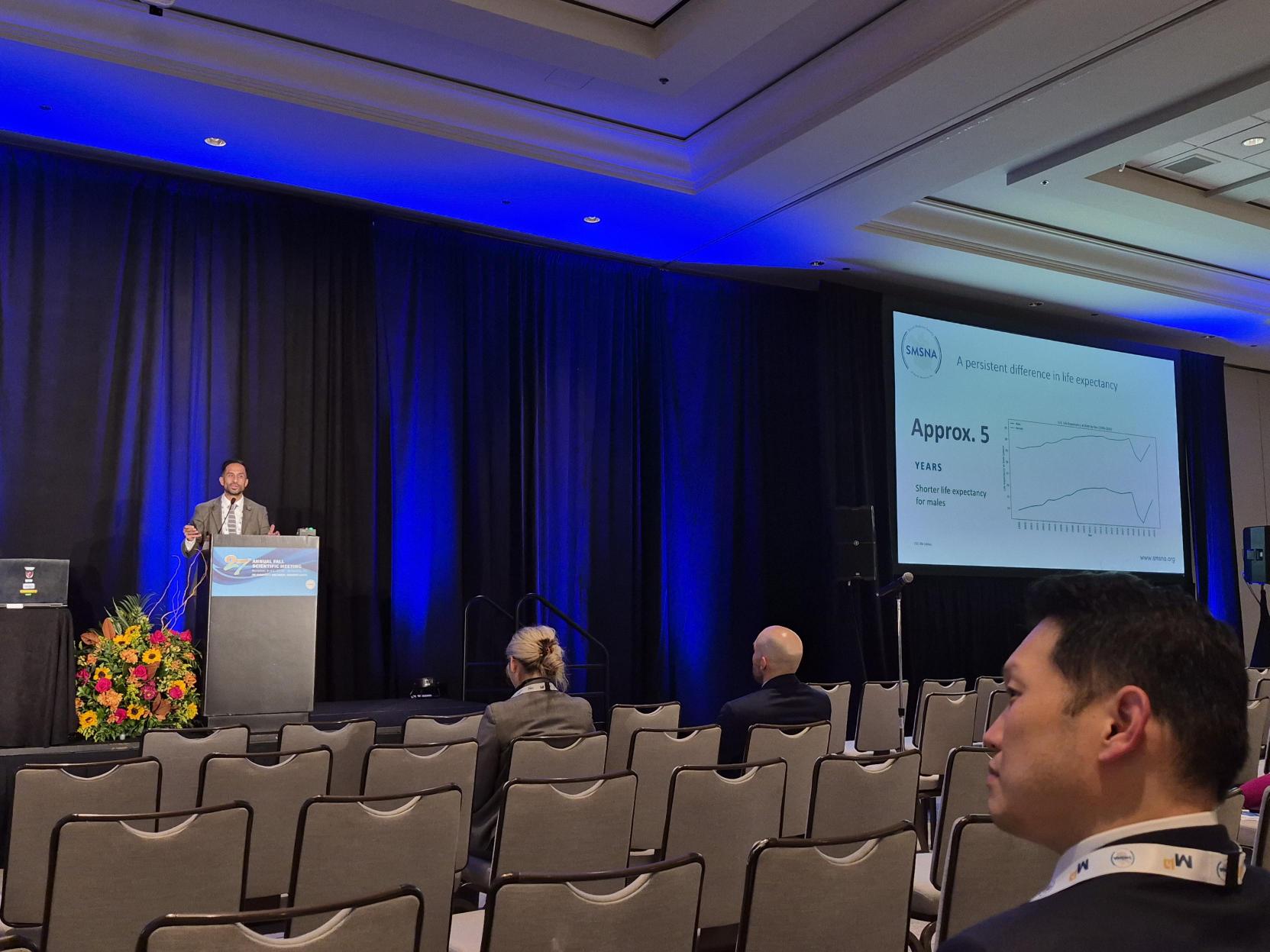
Dr. Kohler explained that the health gap has been widening since 1963, the last year when men’s and women’s life spans were the same. He stated that men’s longevity has been struggling but can be improved upon, noting that since the inception of the U.S. Office of Women’s Health, mortality and cancer rates have reduced significantly. There are currently a multitude of men’s health services; however, these would be more organized under the umbrella of the Office of Men’s Health, according to Dr. Kohler. He stated that the American Urological Association (AUA) and Sexual Medicine Society of North America (SMSNA) are uniquely positioned to provide mental, physical, and sexual health services to men beyond pediatric age.

Dr. Edney described the history behind the inception of the bill to establish an Office of Men’s Health, stating that members of both the SMSNA and AUA have been discussing the development of an Office of Men’s Health in casual conversation for years. He said the first step in working toward an Office of Men’s Health is to assess public and political perception, harnessing the energy behind these conversations to develop a bill. The AUA Public Policy Committee has been working with the U.S. Congress to establish this bipartisan bill.

Dr. Rhee emphasized the importance of research and education for policy development, especially surrounding men’s health. “The time is now. Because if it’s not us, then who?” he asked. With anecdotes about men who did not know their own bodies, Dr. Rhee called on the SMSNA personally to consider how to bring men forward through education, especially when reaching out to perform studies on issues like cardiovascular disease, testosterone fluctuations, and more.

Congressman Dr. Murphy explained the process of submitting the bill to establish the Office of Men’s Health, advocating for discussion and securing co-sponsors within the U.S. Congress. He stressed that physicians should remember to advocate for themselves and their patients, moving beyond the clinic level to the state legislative level and beyond. He explained that there were critiques due to the misunderstanding that this would take resources from the Office of Women’s Health, which Dr. Murphy stressed would not happen. He stated that continuous political and monetary advocacy is crucial to the passage of this bill, if not this year, then in the near future.

SMSNA 31st Scientific Program at AUA - Establishing an Office of Men's Health

FDA Expert Panel on Testosterone Replacement Therapy for Men

On Wednesday, December 10, 2025, from 1:00-3:00 PM E.T. the U.S. Food and Drug Administration is holding an Expert Panel on Testosterone Replacement Therapy for Men. Several SMSNA members have been invited as experts to provide input on this panel to improve TRT drug labeling and ensure its accuracy. For more details, visit https://www.fda.gov/patients/fda-expert-panels/fda-expert-panel-testosterone-replacement-therapy-men-12102025#event-information
FDA Expert Panel on Testosterone Replacement Therapy for Men

HHS Removal of FDA Warnings on Hormone Replacement Therapy

Last week, the United States' Health and Human Services (HHS) and Food and Drug Administration (FDA) held a press conference to announce the removal of the black box warnings on estrogen-based hormone therapy, recognizing its safety when used appropriately. Members of the SMSNA, particularly those in the Female Sexual Function Committee, played an active role in advocating for this update.

Dr. Rachel Rubin with Robert F. Kennedy Jr. and Dr. Martin A. Makary

Post-Operative Counseling for the Penile Implant Patient: Insights from the 26th SMSNA Annual Fall Scientific Meeting

At the second day of the 26th SMSNA Annual Fall Scientific Meeting, Drs. Jonathan Clavell-Hernandez, Martin Gross, and Robert J. Valenzuela, discussed strategies for counseling patients to improve post-implant satisfaction. Their focus included managing second-opinion consultations, addressing concerns about infection risk, and setting expectations around girth and length restoration.

For patients seeking a second opinion after an initial implant, Dr. Clavell-Hernandez emphasized the importance of validating the patient’s emotions; such as anxiety, embarrassment, disappointment, sadness, or anger about the outcome of their procedure. He advised clinicians to clearly explain what aspects can and cannot be corrected and to set realistic expectations, reminding patients that complications are possible with any surgical procedure.

Dr. Gross addressed the increased risk of infection with revision surgeries, underscoring the need to communicate this risk clearly and calmly. He emphasizedthat all implanted devices carry some risk of infection and encouraged providers to explain the level of risk specific to the patient's case, along with available options for managing post-operative infections. He also reminded surgeons that the responsibility for infection prevention lies primarily with them.

Dr. Valenzuela highlighted the importance of involving patients throughout the pre- and post-operative process to increase satisfaction. Key points from his talk included introducing vacuum erection and traction devices before surgery, establishing post-operative protocols early, discussing desired outcomes, and evaluating whether additional surgical maneuvers are necessary. These may include cavernosal sparing, adjunct soft tissue techniques, advanced tunical lengthening, and addressing glans hypermobility.

Collectively, all three speakers emphasized the importance of clear, honest communication, setting realistic expectations, and working collaboratively with patients to achieve optimal post-operative outcomes.

Post-Operative Counseling for the Penile Implant Patient: Insights from the 26th SMSNA Annual Fall Scientific Meeting

Sexual Dysfunction and Its Impact on Fertility - Insights from the 26th SMSNA Annual Fall Scientific Meeting

At the second day of the 26th SMSNA Annual Fall Scientific Meeting, Dr. Jessica Yih highlighted important considerations regarding male and female sexual dysfunction as barriers to conception. Erectile dysfunction (ED) is common in males seeking care for infertility, while dyspareunia, or pain during intercourse, is frequently observed in females undergoing fertility treatment. Dr. Yih suggests that these issues are often linked to the heightened anxiety surrounding fertility and family planning.

Clinicians and fertility specialists should evaluate both partners. For the female partner, a thorough pelvic and vulvar examination is recommended, with specific attention to the vestibule and pelvic floor tension, as these may be sources of pain. The most common causes of dyspareunia include vaginismus (involuntary clenching of the pelvic and surrounding muscles), provoked vestibulodynia (pain at the vestibule upon touch), pelvic floor muscle dysfunction, and endometriosis. The male partner should undergo a standard ED workup, including semen analysis, hormone testing, and related evaluations.

When sexual dysfunction is present, fertility treatment should begin with addressing the dysfunction itself. For female partners, treatment options may include pelvic floor physical therapy, vaginal dilator therapy, and botulinum toxin injections. Additionally, Dr. Yih recommends home insemination kits as an alternative when penetrative intercourse is difficult. She also advises that female patients consider not disclosing their fertility window to their partner, as doing so may increase pressure and anxiety for both individuals.

Ultimately, Dr. Yih emphasizes a multidisciplinary, couple-centered approach that acknowledges and addresses these significant yet often underrecognized aspects of sexual dysfunction in the context of fertility care.

Sexual Dysfunction and Its Impact on Fertility - Insights from the 26th SMSNA Annual Fall Scientific Meeting

Overview of Office-Based Minimally Invasive BPH Treatments at the 26th SMSNA Annual Fall Scientific Meeting

At the second day of the 26th SMSNA Annual Fall Scientific Meeting, Dr. Bradley Gill provided an overview of current office-based, minimally invasive surgical therapies for benign prostatic hyperplasia (BPH), as supported by AUA guidelines.

Most approaches are tailored to prostate size, and patient goals  related to sexual function and fertility should also be considered. Dr. Gill emphasized one key phrase: “matching the right procedure to the right prostate and the right patient,” noting that not all BPH treatments and patients are created equal. Diagnosis should include ultrasound or CT scans, along with urodynamic tests when necessary.

Depending on the size of the patient's prostate and their individual goals, consider the following in-office treatments if the patient is comfortable with them: implantable temporary nitinol devices, UroLift, water vapor thermal therapy, and drug-coated balloon dilation. However, providers should be mindful of AUA-specific indications for each therapy.

Overview of Office-Based Minimally Invasive BPH Treatments at the 26th SMSNA Annual Fall Scientific Meeting

Pornography and Its Impact on Social and Mental Well-being - Insights from the 26th SMSNA Annual Fall Scientific Meeting

At the second day of the 26th SMSNA Annual Fall Scientific Meeting, Dr. Brian Willoughby shared his research on pornography and its influence on mental health, along with his thoughts on the future of pornography.

Most research shows that pornography use peaks in young adulthood and declines with age, and that nearly twice as many men as women consume pornography. Other studies report that around half of surveyed couples use pornography together.

Dr. Willoughby discussed how the frequency of pornography consumption can affect mental health and relationships. More frequent use is associated with increasingly negative views toward sexual activity and partnerships. However, he noted an important caveat: the content and nature of the pornography consumed may contribute to more severe mental health outcomes. Generally speaking, there are few instances of compulsive sexual behavior such as this, which may involve more violent content and behaviors.

According to Dr. Willoughby, the future of pornography appears to be moving toward AI and deepfakes, which may have a greater impact on relationships and mental health, particularly depression and anxiety, than traditional pornography. Deepfakes allow for customized content with the face of a desired sexual partner, and AI companions are customizable in terms of personality and design, potentially making it more difficult for individuals to feel fully satisfied with real-life romantic partners.

Pornography and Its Impact on Social and Mental Well-being - Insights from the 26th SMSNA Annual Fall Scientific Meeting

GLP1 and GLP1/GIP Receptor Agonists and Female Sexual Function: Insights from the 26th SMSNA Annual Fall Scientific Meeting

At the first day of the 26th SMSNA Annual Fall Scientific Meeting, Dr. Eliza Burr discussed the effects of GLP-1 and GLP-1/GIP receptor agonists on female sexual function, and in respect to age group in two subsequent studies.

Dr. Burr’s first study revealed that a quarter of participants reported changes in sexual function, with half of those reports experiencing a distressing decrease in sexuaal function. Specifically, the results showed a statistically significant decrease in the domains of desire and arousal.

The second study revealed significant decreases in sexual function in the 31–40-year-old age group, with fewer reports of sexual dysfunction as age increased. This trend appears to correlate with hormonal changes across pre-, peri-, and postmenopausal groups. Given that the decrease in sexual function was consistent across age groups in women taking GLP-1 and GLP-1/GIP receptor agonists, Dr. Burr posits that this may indicate a baseline level of sexual function among women on these medications.

Dr. Burr recommends further and more rigorous research into the effects of GLP-1 and GLP-1/GIP receptor agonists on female sexual function, as current findings remain inconsistent.

GLP1 and GLP1/GIP Receptor Agonists and Female Sexual Function: Insights from the 26th SMSNA Annual Fall Scientific Meeting

You may also be interested in...

Other Popular Articles

What Is the Average Penis Size?

If you have ever wondered how your penis compares to others in terms of size, you are not alone. Many men are curious to know how their penises stack up compared to the average. Unfortunately, general curiosity can sometimes give way to full-on obsession and anxiety about penis size. This can be an unhealthy and often unnecessary fixation, especially because most men who think their penises are too small have perfectly normal-sized penises.

What Is Jelqing, and Does It Actually Work?

The term “jelqing” refers to a set of penis stretching exercises that some believe can make the penis bigger. Although the practice has gained attention and popularity in blogs and internet forums in recent years, there is no scientific evidence that it is an effective way to permanently increase the size of one’s penis. In fact, in some cases, jelqing may actually cause damage to the penis, so it is a good idea to get all the facts before setting off to try it.

What Is Sensate Focus and How Does It Work?

Sensate focus is a technique used to improve intimacy and communication between partners around sex, reduce sexual performance anxiety, and shift away from ingrained, goal-oriented sexual patterns that may not be serving a couple.

Can Sex Reduce Menstrual Cramps?

The SMSNA periodically receives and publishes ‘guest editorials.’ The current article was submitted by Mia Barnes, a freelance writer and researcher who specializes in women's health, wellness, and healthy living. She is the Founder and Editor-in-Chief of Body+Mind Magazine.

Having sex while you experience menstrual cramps is healthy and can provide significant benefits. While it might not be the first activity that comes to mind when your PMS or period cramping begins, many people enjoy sex to reduce menstrual cramps, experience increased pleasure and benefit from other advantages. Learn more about having sex while menstrual cramps are happening and how it can help your body.

How Long Does It Take the Average Man to Ejaculate?

On average, it takes a man between 5 to 7 minutes to orgasm and ejaculate during sexual intercourse.

Can Sex Throw off Your Vaginal pH Balance?

The SMSNA periodically receives and publishes ‘guest editorials.’ The current article was submitted by Mia Barnes, a freelance writer and researcher who specializes in women's health, wellness, and healthy living. She is the Founder and Editor-in-Chief of Body+Mind Magazine.

Your vagina is a pretty powerful organ. It is a pathway for menstrual blood and babies. It also is a main player in sexual intercourse. You might hear about your vagina’s pH and worry that yours is at risk. Here’s what to know about vaginal pH, including the impacts sex could have.

Find a Provider

Find a provider who specializes in sexual medicine in your area.

FIND NOW
Attention: Restrictions on use of SMSNA content in third party applications, including artificial intelligence technologies, such as large language models and generative AI.

You are prohibited from using or uploading content you accessed through this website into external applications, bots, software, or websites, including those using artificial intelligence technologies and infrastructure, including deep learning, machine learning and large language models and generative AI.

Subscribe for our Newsletter!

Image